Suntre: A Bold Handwritten Font with a Dark Edge
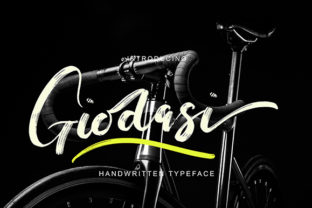
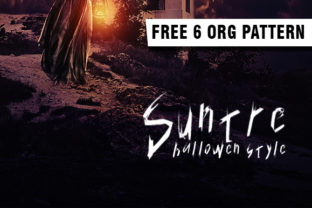
Suntre is a unique handwritten font that stands out for its bold and expressive style. Designed to add character and personality to any design project, Suntre combines the organic feel of handwriting with a strong, edgy aesthetic. Whether used in branding, social media graphics, or creative layouts, this font has the potential to elevate a design from ordinary to memorable.
What Makes Suntre Unique?
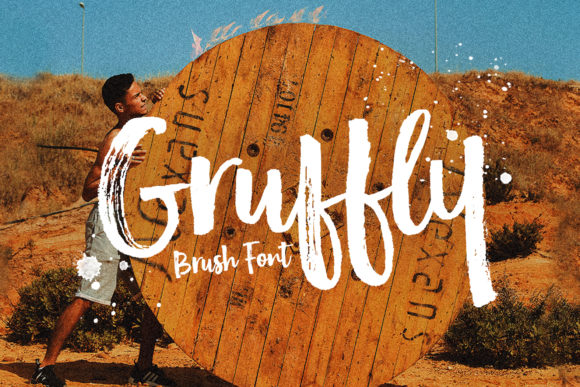
Suntre is more than just a font—it's a statement. Its design features thick, uneven strokes that give it a hand-crafted look, while its dark edge adds a sense of intensity and confidence. This combination makes it ideal for projects that require both visual impact and a touch of rebellion or individuality.
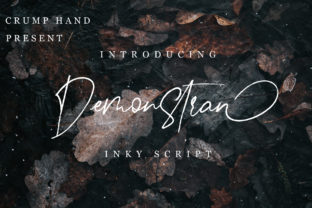
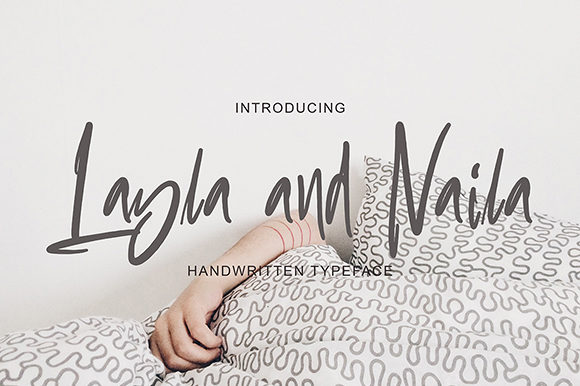
The font’s structure is intentionally imperfect, which contributes to its charm. Each letterform feels like it was written by hand, making it feel personal and authentic. This level of detail is especially appealing in designs where the goal is to convey emotion or creativity rather than professionalism.
When Would You Want to Use Suntre?
Suntre is particularly well-suited for projects that benefit from a bold, unconventional style. It works exceptionally well in the following scenarios:
- Branding for niche or alternative businesses: If your brand leans into edginess, creativity, or non-conformity, Suntre can help reinforce that identity.
- Social media content: The font’s eye-catching nature makes it perfect for Instagram posts, TikTok videos, or other digital platforms where visual appeal is key.
- Creative layouts and posters: Suntre can serve as a focal point in posters, flyers, or event announcements, drawing attention immediately.
- Artistic or experimental designs: For designers looking to push boundaries, Suntre offers a versatile tool for creating visually striking compositions.
Its versatility also means it can be used in both large-scale and small-scale applications, depending on how it's stylized and paired with other elements.
Considerations and Tradeoffs
While Suntre has many strengths, it’s important to consider its limitations before committing to it for a project. One of its most notable tradeoffs is readability. Due to its bold, uneven strokes, the font may not be the best choice for long-form text or situations where clarity is essential.
Additionally, Suntre’s distinctive style might not align with every brand or audience. If your target demographic prefers clean, modern, or professional fonts, Suntre could come off as too informal or even unprofessional. It’s crucial to evaluate whether the font’s personality matches the message you want to convey.
Another consideration is compatibility. Not all platforms or software support custom fonts seamlessly, so it’s important to test Suntre across different mediums before finalizing a design. Some applications may require web-safe alternatives or additional formatting steps to ensure consistent rendering.
Alternatives to Consider
If Suntre doesn’t quite fit your needs, there are several other fonts that offer similar aesthetics but with different characteristics. Here are a few worth exploring:
- Playfair Display: A serif font with a classic, elegant feel that offers a more refined alternative to Suntre’s boldness.
- Orbitron: A futuristic sans-serif font that shares some of Suntre’s edgy qualities but with a more structured appearance.
- Raleway: A modern, clean sans-serif font that provides a balance between simplicity and visual interest.
- Bebas Neue: A bold, geometric sans-serif font that delivers a strong visual impact without the handwritten texture of Suntre.
Each of these fonts has its own strengths and weaknesses, so the best choice depends on your specific goals and the context in which the font will be used.
How to Decide if Suntre Is Right for You
Deciding whether to use Suntre comes down to a few key factors. First, ask yourself: Does the font’s personality align with your brand or project? If you’re aiming for something bold, creative, or unconventional, Suntre could be an excellent fit. However, if clarity and professionalism are your priorities, you may want to explore other options.
Next, consider the platform or medium where the font will be used. Will it be displayed on a website, printed as a poster, or shared on social media? Each environment has different requirements, and Suntre may perform differently in each.
Finally, think about your audience. Are they looking for something familiar, or are they open to experimenting with new styles? Suntre is best suited for audiences that appreciate uniqueness and are willing to embrace a more artistic approach.
Ultimately, the decision to use Suntre should be based on whether it enhances your design goals rather than complicates them. By understanding its strengths, limitations, and appropriate use cases, you can make an informed choice that aligns with your creative vision.