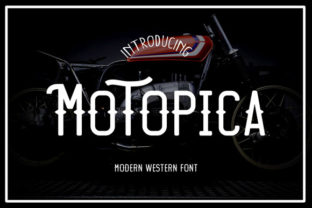
Motopica: A Vintage Font with a Modern Twist for Strategic Design
Motopica is more than just a font—it’s a design tool that bridges the past and present, offering a unique visual language that can elevate any project. With its vintage aesthetic and modern application, Motopica stands out in a digital landscape where typography plays a critical role in communication, branding, and user experience. Whether you're crafting a website, designing a logo, or creating marketing materials, Motopica offers a strategic advantage when used intentionally.
What Is Motopica?
Motopica is a fun vintage font with a modern twist. It combines the charm of retro typography with contemporary usability, making it versatile enough to suit a wide range of design contexts. The font features a distinct character set that evokes nostalgia while maintaining readability and clarity. Its bold lines and playful curves make it visually engaging, yet it remains functional for both print and digital formats.
Unlike many fonts that are designed for specific purposes—such as display or body text—Motopica is built to be adaptable. This flexibility allows designers to use it across different media without sacrificing quality or consistency. Its clean structure and balanced proportions ensure that it performs well in various applications, from branding to editorial content.
Why Use Motopica Strategically?
In today’s competitive market, every design choice matters. Using Motopica strategically can help you stand out, communicate your message effectively, and align your visual identity with your brand values. When applied thoughtfully, this font can support your goals in several key areas:
- Branding: Motopica adds a touch of personality and character to your brand, helping you create a memorable visual identity.
- Communication: Its clear and readable style ensures that your message is delivered effectively, even in complex layouts.
- Creativity: The font encourages experimentation and innovation, allowing you to push creative boundaries while maintaining professionalism.
- Productivity: By choosing a font that aligns with your workflow and preferences, you can improve efficiency and reduce decision fatigue.
- Customer Experience: A well-designed font enhances the overall user experience, contributing to a positive perception of your brand.
Strategic use of Motopica isn’t about following trends—it’s about making informed choices that support your long-term objectives. When you select a font like Motopica, you’re not just choosing a visual element; you’re making a statement about your brand’s voice and values.
When to Use Motopica
Motopica is ideal for projects that require a blend of nostalgia and modernity. Here are some scenarios where it shines:
- Marketing Materials: Brochures, flyers, and posters benefit from Motopica’s eye-catching style, which can draw attention and convey warmth.
- Brand Identity: Logos, websites, and social media profiles can all incorporate Motopica to reflect a unique brand personality.
- Editorial Content: Magazines, blogs, and newsletters can use Motopica for headlines or subheadings to add visual interest without overwhelming readers.
- Event Invitations: Whether it's a wedding, workshop, or product launch, Motopica brings a sense of elegance and approachability to event graphics.
- Personal Projects: For creators and hobbyists, Motopica offers a stylish option for personal branding, portfolios, or artistic endeavors.
However, it’s important to consider the context in which you’ll use Motopica. While it’s a versatile font, it may not always be the best fit. For example, if you’re designing a professional report or academic document, a more traditional serif or sans-serif font might be more appropriate. Always evaluate how the font aligns with your audience, purpose, and platform.
How to Approach Motopica Effectively
To get the most out of Motopica, approach it with intention and awareness. Start by defining your goals and understanding your audience. Ask yourself: What message do I want to convey? Who am I trying to reach? How does this font support my overall strategy?
Once you have a clear vision, experiment with different applications. Test Motopica in various contexts to see how it performs. Pay attention to readability, contrast, and spacing. Ensure that the font complements other design elements rather than competing with them.
Consider pairing Motopica with complementary fonts for optimal results. For instance, using it for headings while opting for a simpler body font can create a balanced and professional look. This approach avoids overdesigning and keeps the focus on your content.
Practical Examples and Planning Tips
Let’s explore a few practical examples of how Motopica can be used effectively:
Example 1: Branding a Small Business
A local boutique owner wants to create a cohesive brand identity. By incorporating Motopica into their logo and website, they can establish a friendly and approachable image that resonates with their target audience. The font’s vintage feel adds a touch of character, while its modern structure ensures it remains relevant in a digital world.
Example 2: Designing a Blog Post
A blogger uses Motopica for the title of their post, drawing readers in with its distinctive style. The font helps differentiate the headline from the rest of the content, making it easier for readers to scan and engage with the material.
Example 3: Creating an Event Invitation
An event planner designs a flyer for a community workshop. Motopica’s warm and inviting appearance makes the invitation feel personal and welcoming, encouraging attendees to respond positively.
These examples illustrate how Motopica can be integrated into various design workflows. The key is to use it with purpose and precision, ensuring it supports your broader goals rather than overshadowing them.
Risks of Using Motopica Without Clear Goals
While Motopica is a powerful design tool, using it without clear goals or context can lead to unintended consequences. One risk is overuse—applying the font in every project can dilute its impact and make it less effective. Another risk is misalignment with your brand identity, which can confuse your audience and weaken your message.
Additionally, relying on Motopica without considering its limitations can result in poor readability or visual clutter. It’s essential to assess whether the font meets the needs of your project and whether it enhances rather than detracts from your overall design.
Ultimately, the success of Motopica depends on how you choose to use it. By approaching it with intention and strategy, you can maximize its benefits while minimizing potential drawbacks.
Conclusion
Motopica is a versatile font that offers both aesthetic appeal and functional value. When used strategically, it can enhance your design projects, support your brand identity, and improve communication. However, its effectiveness relies on thoughtful application and alignment with your goals.
By understanding when and how to use Motopica, you can make better decisions and achieve better results. Whether you’re an entrepreneur, marketer, creator, or small business owner, incorporating this font into your design toolkit can provide a meaningful advantage. Remember, the goal is not to follow trends but to create meaningful connections through intentional design.